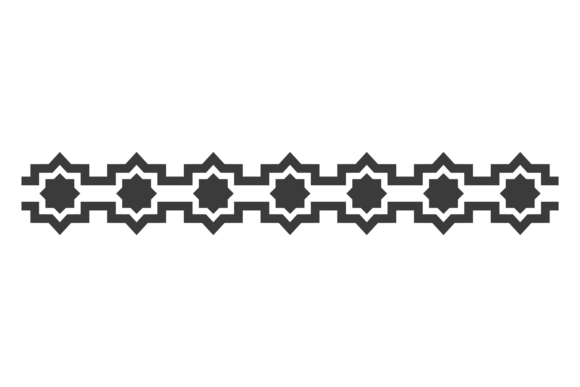
Retro Arabic Pattern Border Review
As a designer who spends more time staring at stitch charts and fabric swatches than sleeping, I approach every new digital asset with a healthy dose of skepticism. The market is flooded with generic clip art, but finding a machine embroidery design that balances aesthetic appeal with technical viability is rare. That is why I decided to put the Retro Arabic Pattern Border. Eastern Tra through its paces before recommending it to my network of craft business owners and fellow embroiderers.
This piece falls under the broader categories of Illustrations and Graphics, specifically described as an Eastern traditional ornament isolated on a white background. At first glance, the file formats provided—EPS, JPG, SVG, and transparent PNG—suggest versatility, but for us in the embroidery world, the visual translation into thread is what truly matters. I evaluated this design not just as a static image, but as a potential finished product ready for the hoop.
First Impressions and Visual Personality
The moment you load the preview, the Retro Arabic Pattern Border. Eastern Tra commands attention without shouting. It carries a distinct mood: nostalgic yet sophisticated. The "retro" aspect doesn’t mean dated; rather, it evokes the mid-century modern fascination with exotic motifs, filtered through a contemporary lens. The border layout is linear and rhythmic, which immediately signals to me that this is best suited for framing other elements or creating a strong edge definition on garments and home goods.
The visual personality is bold. The lines appear clean, and the negative space is handled well. For an embroidery project, this balance is crucial. If a design is too dense, it becomes stiff and heavy; if it is too sparse, it lacks impact. This design strikes a middle ground that suggests it will lay flat on fabric while maintaining its intricate character. It feels like a piece that belongs in a boutique setting—think high-end nursery decor or a curated gift shop item.
Real-World Application: The Custom Tote Scenario
To test the practicality of this design, I imagined a specific use case: a custom embroidered tote bag for a local artisan market. The goal was to create a handmade product that felt personal yet professional enough to justify a higher price point. I envisioned placing the Retro Arabic Pattern Border. Eastern Tra along the top hem of a canvas tote, perhaps flanking a simple monogram in the center.
In this scenario, the design’s linear nature works to our advantage. It creates a frame that draws the eye inward. When considering how customers might react, I realized that the Eastern traditional ornament theme adds a layer of cultural depth that resonates with buyers looking for unique, story-driven items. It moves beyond a generic pattern and offers a sense of heritage. However, the success of this application depends entirely on execution. On a textured canvas, the fine details of the border might get lost if the stitch density isn't adjusted correctly. This highlights the importance of choosing the right stabilizer and testing the thread colors against the specific fabric weight.
Performance Across Different Embroidery Projects
While the tote bag was my initial test subject, the versatility of the Retro Arabic Pattern Border. Eastern Tra extends to several other categories. Here is how I see it performing in real-life situations:
- Custom Apparel and Sweatshirts: Placing this border along the cuffs or collar of a sweatshirt can elevate a basic garment into a statement piece. The retro vibe pairs exceptionally well with vintage-wash fabrics. For a sweatshirt embroidery project, ensure the fabric has enough body to support the stitch count without puckering.
- Baby Embroidery and Nursery Decor: The ornamental style is gentle enough for baby clothes, such as onesies or burp cloths. When used as a tote bag design for baby gifts or framed as wall art, it appeals to parents seeking timeless aesthetics. The clean lines make it suitable for delicate fabrics often used in baby items.
- Kitchen and Home Textiles: Tea towels and aprons are excellent candidates for border designs. The horizontal flow of the pattern mimics the natural drape of these items. For a kitchen towel, using a contrasting thread color against a neutral linen background would make the Eastern motifs pop.
- Embroidered Patches: Because the design is a self-contained border, it could be digitized or used as-is to create a distinctive patch. This fits well into the craft business model, where customizable patches are popular accessories for denim jackets and backpacks.
Where Caution Is Required
No design is perfect for every situation, and being honest about limitations is part of responsible reviewing. There are specific scenarios where the Retro Arabic Pattern Border. Eastern Tra requires careful handling:
- Small Hoop Sizes: If the design contains very fine internal details, attempting to stitch it in a tiny hoop (like 4x4 inches) may result in loss of clarity. Always check the original dimensions and scale down only if necessary, keeping an eye on the smallest elements.
- Textured and Stretchy Fabrics: While canvas works well, highly textured fabrics like bouclé or thin, stretchy knits can distort the precision of the border. On stretchy fabrics, you must use a sturdy stabilizer to prevent shifting, which would ruin the symmetry of the pattern.
- Dense Stitch Areas: Although the design appears open, some sections may require fill stitches. Ensure your machine can handle the recommended stitch density. Over-stitching can make the fabric rigid and uncomfortable, especially on apparel.
- Curved Surfaces: Applying this border to curved surfaces like caps or hats requires advanced digitizing techniques to compensate for distortion. A straight border on a curved surface will naturally warp unless carefully adapted.
Practical Designer Notes for Success
Before committing this embroidery file to a final product, I recommend following these steps to ensure quality:
- Test on Scrap Fabric: Never skip this step. Use the exact fabric and stabilizer combination you plan to use for the final product. This reveals how the thread colors interact with the material.
- Check Contrast: View the design in black and white mockups to ensure the contrast levels are sufficient. A light gray thread on a cream fabric will disappear, regardless of the design's beauty.
- Inspect Small Details: Zoom in on the digital preview. Are there any tiny curves that might break during stitching? If so, consider simplifying those areas or adjusting the digitization.
- Verify Licensing: Since you are likely using this for a commercial embroidery project or selling on platforms like Etsy, confirm the license terms. Does the purchase allow for commercial use of the finished physical goods? This is critical for protecting your small shop product business.
- Consider Thread Types: Standard polyester thread works well, but for a luxury feel, consider using rayon or metallic threads for specific accents within the border. This can enhance the visual appeal and perceived value of the item.
Final Verdict
The Retro Arabic Pattern Border. Eastern Tra is a strong addition to any designer’s library. It offers a blend of cultural richness and modern simplicity that translates well into tangible products. Whether you are creating a personalized gift for a client or developing a line of design assets for digital sale, this design provides a solid foundation.
It shines brightest when paired with clean, solid-color backgrounds that allow the intricate patterns to breathe. By paying attention to fabric choice, stitch density, and proper stabilization, you can transform this graphic into a stunning finished product that stands out in a crowded marketplace. For the discerning maker who values both aesthetics and functionality, this design earns a place on the workbench.