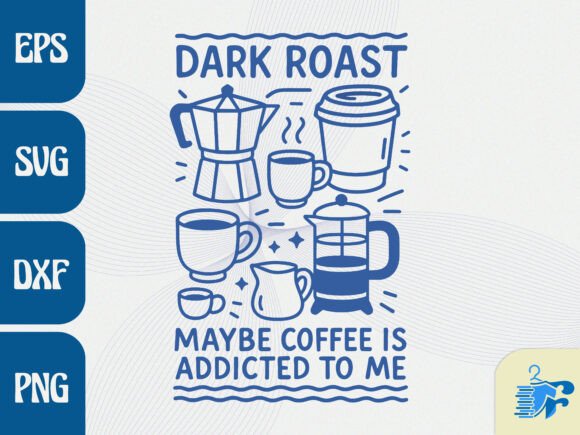
Retro Coffee T Shirt Design Review
As a designer who spends half her life staring at stitch charts and the other half arguing with embroidery machines, I don’t just buy digital files; I evaluate them for viability. When I pulled up Retro Coffee T Shirt Design, my first instinct was to look past the marketing fluff and ask: will this actually stitch well? Will it sell? And more importantly, does it have enough visual personality to stand out in a saturated market?
This review is based on how this design translates from a flat digital asset into a tangible, stitched reality. Whether you are an Etsy seller looking for your next bestseller or a hobbyist making a personalized gift for a coffee-obsessed friend, understanding the practical application of this graphic is key to avoiding costly mistakes.
First Impressions and Visual Personality
The immediate mood of Retro Coffee T Shirt Design is nostalgic but grounded. It taps into that warm, analog aesthetic that has been dominating home decor and apparel for the last few years. The visual personality suggests comfort, morning rituals, and a slow-living vibe. For an embroidery project, this translates to a design that feels approachable rather than overly intricate or aggressive.
In terms of layout, the composition appears balanced, which is crucial for machine embroidery. Designs that are too top-heavy or asymmetrical can cause hoop tension issues or look awkward when placed on curved surfaces like caps or tote bags. This design seems to respect the negative space, allowing the stitching to breathe. It doesn’t scream for attention; instead, it invites the viewer in. This subtlety is often what separates a cheap-looking print from a high-end handmade product.
The theme fits naturally into the broader category of T-Shirt Designs and general Graphics used for lifestyle branding. However, its appeal extends far beyond standard apparel. It has the versatility to serve as a focal point for kitchen textiles, nursery decor, or boutique accessories without feeling out of place.
Real-World Application: From Screen to Stitch
Let’s talk about real use cases. I recently considered using this file for a batch of custom embroidered aprons for a local bakery client. The question wasn’t just whether the design looked good on a screen, but how it would hold up on cotton canvas after repeated washing. Retro Coffee T Shirt Design offers a level of detail that is sophisticated enough to add value to a commercial item but simple enough to remain legible after hundreds of wash cycles.
Here is how this design performs across various common projects:
- Custom Apparel: On a heavyweight sweatshirt or a vintage-wash t-shirt, the retro aesthetic shines. It pairs exceptionally well with earth tones like olive green, mustard yellow, or cream. The contrast between the fabric texture and the smooth threads of the embroidery creates a tactile appeal that customers love.
- Tote Bags: As a tote bag design, this works beautifully on both canvas and denim. The clean lines ensure that the logo or graphic remains sharp even if the bag is stuffed full. It adds a professional touch to a basic accessory, elevating it from a generic promo item to a branded statement piece.
- Baby Embroidery: For baby clothes or burp cloths, the softer retro vibe is perfect. It avoids the cutesy clichés that saturate the baby market, offering a gender-neutral, timeless option for new parents. When digitized correctly, the edges remain soft against sensitive skin.
- Holiday Gifts: During the holiday season, this design can be repurposed for tea towels or pillow covers. The "coffee" theme resonates strongly with winter mornings, making it a thoughtful addition to gift baskets. It serves as a reliable holiday embroidery asset that doesn’t feel seasonal-specific, extending its lifespan.
- Commercial Embroidery: For small business owners, consistency is currency. Using a proven, aesthetically pleasing file like this helps maintain brand coherence across different product lines, from custom apparel to embroidered patches.
Where to Exercise Caution
No design is perfect for every situation. While Retro Coffee T Shirt Design is versatile, there are specific scenarios where you need to be careful. Embroidery is a physical process governed by physics, not just aesthetics.
Small Hoop Sizes: If you plan to stitch this onto a tiny item, such as a baby hat or a small patch, you must check the dimensions. Complex details can get lost or merge together if the hoop size is too small. Always scale down only as much as necessary and inspect the result closely.
Textured and Stretchy Fabrics: Stitching on thick fleece or highly stretchy jersey requires extra stabilizer support. Without proper backing, the design may pucker or distort. Similarly, on dark fabrics, thread color choice becomes critical. A light-colored retro design might get lost on black fabric unless you use a high-contrast thread or apply a cut-away stabilizer that shows through (which is rarely desired).
Dense Stitch Areas: If the design includes large areas of fill stitch, ensure your machine can handle the density. Over-stitching can make the fabric stiff and uncomfortable, especially on items like baby blankets or lightweight tees. Inspect the digitization for any unnecessary density that could compromise wearability.
Curved Surfaces: Applying this to caps or curved seams requires a specialized cap frame. The design’s symmetry must align perfectly with the curve of the front panel. Misalignment here is immediately noticeable to the customer.
Practical Designer Notes for Success
Before you hit "start" on your machine, follow these practical steps to ensure a professional finish:
- Test on Scrap Fabric: Never run a new design directly onto your final product. Use scrap pieces of the same fabric and thread colors to check for tension issues, puckering, or color clashes.
- Check Thread Color Contrast: View your design in black and white mockups. This helps you assess the contrast levels independently of color bias. Ensure the threads pop against the fabric background.
- Review Stitch Density: Look closely at the transition between satin stitch borders and running stitch details. Smooth transitions indicate high-quality digitization. Rough edges suggest a need for manual editing before production.
- Confirm Licensing: If you intend to sell finished items, verify the license terms. Some digital embroidery files are for personal use only. Commercial rights are essential for Etsy sellers and craft business owners.
- Use Proper Stabilizer: The right stabilizer makes the difference between a floppy, amateurish result and a crisp, professional one. Match the stabilizer weight to the fabric weight.
Final Verdict on Value and Appeal
Retro Coffee T Shirt Design succeeds because it balances trendiness with timelessness. It doesn’t rely on fleeting gimmicks but instead leans into a universal love for coffee and retro aesthetics. For designers, this means lower risk and higher potential for repeat sales. Customers trust products that look professionally executed, and this design provides a solid foundation for that trust.
Whether you are creating a personalized gift for a loved one or building a small shop product line, this file offers strong visual appeal and stitching clarity. It enhances the perceived value of the finished product, making it suitable for boutique branding and high-end handmade presentations. By following the practical testing guidelines outlined above, you can confidently integrate this design into your workflow, knowing it will deliver both aesthetic satisfaction and functional durability.
In a market flooded with generic clip art, Retro Coffee T Shirt Design stands out as a thoughtful, well-composed asset. It respects the medium of embroidery while delivering a modern, cozy vibe that resonates with today’s consumers. For any maker looking to expand their repertoire with reliable, attractive designs, this is a worthy addition to your library of design assets.