Retro Grumpy Raccoon Spooky Style Review
As a designer who spends more time looking at stitch density and fabric grain than scrolling through endless marketplaces, I approach every new digital asset with a healthy dose of skepticism. We have all been burned by designs that look charming on a screen but turn into a tangled mess of thread once they hit the hoop. That is why I took Retro Grumpy Raccoon Spooky Style for a test run. I did not just look at the preview image; I thought about how this graphic would translate into a tangible, stitched reality. The goal here is to determine if this piece has enough personality to stand out in a crowded craft business while remaining technically viable for real-world embroidery projects.
First Impressions: Mood and Visual Personality
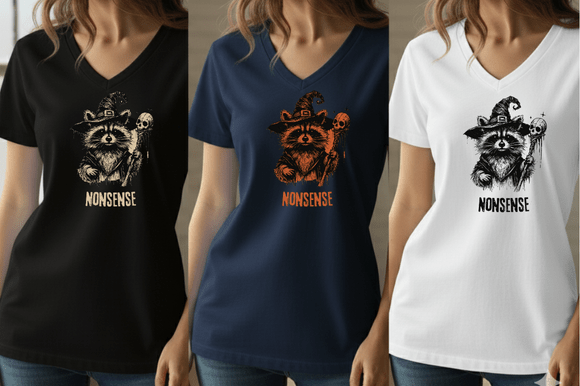
The immediate draw of Retro Grumpy Raccoon Spooky Style is its distinct attitude. In a sea of cute, generic animals, a grumpy raccoon offers a narrative hook. It feels like a character you might find in a vintage comic strip or a faded band tee from the nineties. This retro aesthetic works incredibly well for apparel because it taps into nostalgia without feeling dated. The spooky theme adds a seasonal layer, making it perfect for autumnal campaigns, but the core design is strong enough to stand alone as a quirky statement piece.
From a layout perspective, the composition feels balanced. It does not rely on clutter to make its point. For an embroidery artist, simplicity is often your best friend. A clean silhouette allows the texture of the thread to shine. When I imagine this on a customer’s chest, I see a design that invites a smile rather than a second glance. It has visual weight without being overwhelming. This balance is crucial for T-Shirt Designs and other Graphics intended for mass production or small-batch handmade goods.
Real-World Application: Where Does It Fit?
I spent some time mentally mapping out where this machine embroidery design would perform best. My first scenario was a custom embroidered tote bag. The sturdy canvas of a tote can handle the visual punch of a raccoon face perfectly. Placing this on the front panel creates an instant conversation starter. It fits the vibe of a boutique shop selling coffee beans or books. The grumpy expression contrasts humorously with the mundane utility of a shopping bag, which is exactly the kind of wit that drives sales on platforms like Etsy.
Another strong candidate is sweatshirt embroidery. There is something inherently cozy about Halloween-themed wearables. A cropped hoodie or a boxy crewneck featuring this design would feel authentic to the season. The retro style complements the casual nature of knit fabrics. I also considered baby items. While "grumpy" might seem contradictory to baby gear, there is a growing trend for humorous parent-and-me sets. Imagine a matching set where the adult shirt features the full raccoon, and the baby onesie has a smaller, simplified version. This strategy boosts perceived value and encourages bundle purchases.
For the craft business owner, this design is versatile. It translates well to an embroidered patch that can be sewn onto denim jackets or backpacks. It also works beautifully as a kitchen towel or tea towel design. The spooky theme aligns naturally with fall decor, and the raccoon motif is playful enough to appeal to families. Whether you are creating personalized gifts or stocking shelves for a holiday market, this asset provides a solid foundation for multiple product lines.
Technical Considerations and Stitch Clarity
However, charm only gets you so far; technical execution keeps the customer happy. When evaluating any embroidery file, I always think about stitch density and detail level. Retro Grumpy Raccoon Spooky Style appears to have moderate detail. If the design includes intricate shading or tiny text, it requires careful testing. On textured fabrics, such as heavy twill or boucle, fine details can get lost. In those cases, relying on bold outlines and larger fill areas ensures the raccoon remains recognizable.
I also had to consider the use of different stitch types. A design like this likely utilizes a combination of satin stitches for outlines and fill stitches for the main body. Satin stitches need to be wide enough to cover the base fabric but not so wide that they pucker. If the design includes running stitch accents for whiskers or fur texture, these must be spaced correctly to avoid tangling. For applique design elements, if present, the placement must be precise to ensure clean edges after trimming.
Fabric choice plays a massive role here. Stretchy knits require proper stabilizer to prevent distortion. If you are stitching this onto a cap or a hat, the curved surface demands a flexible backing and perhaps a reduced stitch count in certain areas to maintain comfort. Dark fabrics will require underlay stitches to prevent the base material from showing through, especially if using lighter thread colors. Always check the contrast between your thread colors and the fabric before committing to a full production run.
Where to Use With Caution
There are specific scenarios where this design might struggle. Small hoop sizes can crop out important details, turning a expressive face into an ambiguous blob. Avoid placing this on very thin fabrics without adequate stabilization, as the tension of the stitches could cause puckering. Curved surfaces like baseball caps require special attention to registration; if the design is not optimized for curved stitching, features like the eyes might end up misaligned. Additionally, products that undergo frequent washing, such as everyday t-shirts, need durable stitching. If the design relies heavily on delicate satin stitches, they may fray over time. Always advise customers on proper care instructions.
Impact on Brand and Customer Trust
Using a high-quality, well-executed design directly impacts your brand perception. A sloppy stitch job signals amateur work, regardless of how cute the original graphic is. Conversely, a crisp, clean execution of Retro Grumpy Raccoon Spooky Style builds trust. It shows that you care about the finish. For an Etsy seller or small shop product creator, this attention to detail is what converts browsers into buyers. Customers are willing to pay a premium for handmade products that look professional and polished.
This design also enhances giftability. A grumpy raccoon with a spooky twist is unique enough to feel special but familiar enough to be understood. It works as a holiday gift for someone who appreciates dark humor or quirky aesthetics. By offering this as part of a custom apparel line, you tap into the emotional connection people have with personalized items. The design assets become more than just a picture; they become a tool for storytelling.
Practical Designer Notes for Implementation
Before you load this into your machine, follow these practical steps to ensure success:
- Test on Scrap Fabric: Never skip this step. Test the design on the exact fabric and thread you plan to use. Check for color bleeding and fabric distortion.
- Check Stitch Density: Ensure the design is not too dense for the chosen fabric. Too much thread can cause bulkiness and needle breakage.
- Review Hoop Size: Confirm that the design fits comfortably within your standard hoops. If it is large, plan for multi-hooping carefully to maintain alignment.
- Inspect Small Details: Zoom in on the digital file. Are the eyes clear? Is the mouth distinct? If details are too small, consider simplifying the design digitally before stitching.
- Test in Black and White: Convert the design to grayscale to check contrast. If the light and dark areas blend together, the final product may lack definition.
- Use Proper Stabilizer: Match your stabilizer to the fabric weight. Cut-away for stretchy fabrics, tear-away for wovens.
- Confirm Licensing: Before selling finished items or using this in a commercial embroidery project, verify the license terms. Some files are for personal use only, while others allow commercial resale.
In conclusion, Retro Grumpy Raccoon Spooky Style is a strong contender for designers looking to add personality to their embroidery project portfolio. Its retro vibe and relatable character make it highly marketable. By paying attention to technical details like stitch density and fabric compatibility, you can transform this digital asset into a stunning finished product that delights customers and elevates your brand. Just remember to test thoroughly and respect the limitations of the medium. Happy stitching.