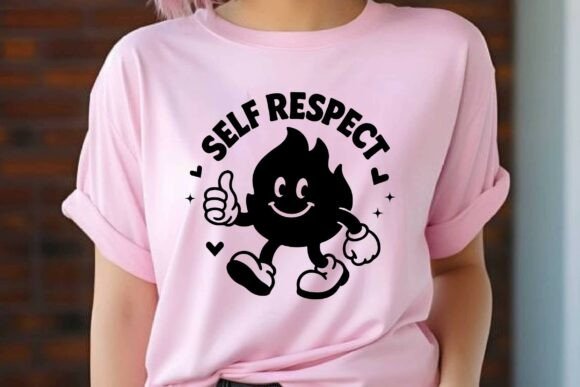
Self Respect Retro Sublimation Clipart Review
As a designer who spends more time staring at stitch density charts and fabric swatches than sleeping, I approach every new digital asset with a healthy dose of skepticism. The market is flooded with clipart that looks great on a screen but falls apart when translated into thread. Today, I’m putting Self Respect Retro Sublimation Clipart through its paces to see if it holds up in the real world of embroidery production.
This isn’t just about whether the design looks "cute." It’s about whether it translates well from a pixel-based graphic to a tactile, stitched product. We are looking at an Illustrations category entry that positions itself as a unique Graphics asset for creators. But does it have the structural integrity to survive the hoop, the needle, and the washing machine?
The First Impression: Mood and Visual Personality
When you first load Self Respect Retro Sublimation Clipart, the immediate takeaway is its strong vintage aesthetic. The retro vibe isn't subtle; it leans heavily into nostalgic typography and bold, simplified shapes that define the mid-century or 70s revival styles currently dominating craft markets. For a designer, this clarity is a double-edged sword. On one hand, the bold lines suggest high visibility. On the other, retro designs often rely on fine details that can get lost in dense stitching.
The theme of "self-respect" paired with a retro font creates a confident, empowering mood. It feels like something you would see on a boutique coffee shop wall or a high-end streetwear label. Visually, the layout is balanced, which is crucial for embroidery because asymmetrical balance can sometimes cause tension issues during digitizing. The visual personality is assertive yet playful, making it versatile enough for various applications without feeling too childish or too corporate.
Real-World Application: From Screen to Stitch
Let’s talk about where this design actually lives. I imagine Self Respect Retro Sublimation Clipart performing exceptionally well on specific handmade products. Consider a custom embroidered tote bag made of heavy canvas. The retro aesthetic pairs naturally with durable fabrics, creating a product that feels both stylish and functional. When customers buy a tote bag with a message like this, they aren't just buying a bag; they are buying a statement piece for their daily commute.
Another strong use case is sweatshirt embroidery. The chunky nature of sweatshirt fleece provides a perfect backdrop for bold, retro graphics. Imagine a cream-colored crewneck with Self Respect Retro Sublimation Clipart stitched across the chest in contrasting thread colors. The texture of the fabric softens the edges of the stitches, giving the design a worn-in, authentic look that mass-produced prints cannot replicate. This is ideal for small business owners looking to create standout pieces for their Etsy listings or craft fair booths.
It also works beautifully for baby items, provided the scale is adjusted correctly. A onesie or a nursery wall hanging featuring this design can add a touch of modern vintage charm to a baby shower gift. However, the key here is scaling. The design must be large enough so that the retro elements remain legible but not so large that it overwhelms the garment. For personalized gifts, such as monogrammed aprons or kitchen towels, this clipart adds a layer of sophistication that elevates the perceived value of the finished product.
Where Caution Is Required
No design is perfect, and Self Respect Retro Sublimation Clipart has its limitations depending on the execution. One area to watch closely is small hoop sizes. If you attempt to digitize this for a tiny patch or a delicate accessory, the retro details might become muddy. Fine lines that look crisp on a monitor can merge together when stitched with standard polyester threads, especially if the stitch density is too high.
Textured fabrics present another challenge. While the design looks good on smooth cotton or canvas, trying to embroider it on terry cloth or heavily textured knits can result in distortion. The needle penetration may vary, leading to uneven satin stitches or shifted fill areas. Similarly, stretchy fabrics require careful hooping and stabilizer selection. Without proper support, the retro lettering could warp, ruining the clean aesthetic that makes the design appealing in the first place.
Dark fabrics also demand attention. Retro palettes often feature light or pastel tones. If you are using this design on black or navy garments, you will need to ensure high contrast between the thread colors and the fabric. Otherwise, the design risks blending into the background, defeating the purpose of the bold statement. Additionally, curved surfaces like caps can be tricky. The flat nature of the original graphic may need significant adjustment to wrap correctly around the curve of a hat brim or crown.
Technical Notes for the Embroidery Designer
Before committing to a full production run, there are several practical steps any professional should take. First, always test the design on scrap fabric that matches your final material. This allows you to observe how the thread colors interact with the fabric weave and whether the stabilizer choice is appropriate. Check the hoop size requirements carefully; if the design exceeds your machine’s maximum hoop dimensions, you will need to split it or resize it, which can impact the overall composition.
Inspect the small details closely. In a machine embroidery design, tiny elements often turn into blobs. You may need to simplify certain parts of the Self Respect Retro Sublimation Clipart during the digitizing process to maintain clarity. Review the stitch density to ensure it is not too heavy for the fabric type. Dense fills on lightweight materials can cause puckering, while sparse fills on heavy fabrics may look weak. Testing in black and white mockups can also help you evaluate the shape and balance of the design independent of color choices.
Impact on Product Value and Brand Consistency
Using Self Respect Retro Sublimation Clipart in your commercial projects can significantly enhance brand consistency. The retro style is timeless, allowing your products to remain relevant season after year. For Etsy sellers and small shop products, having a cohesive visual language helps build trust with buyers. When a customer sees a consistent style across your tote bag design, sweatshirt embroidery, and holiday embroidery items, they recognize your brand instantly.
Furthermore, the emotional resonance of the design drives engagement. People buy products that reflect their values. A design centered on self-respect connects with buyers on a personal level, increasing the likelihood of positive reviews and repeat business. The professionalism of the finished product reflects directly on the maker. Clean stitches, proper stabilization, and thoughtful color choices elevate a simple clipart image into a premium handmade product.
Final Verdict
Self Respect Retro Sublimation Clipart is a solid addition to any designer’s library, particularly for those focused on apparel, home decor, and gift items. Its retro charm is broadly appealing, and its bold structure lends itself well to embroidery, provided the technical aspects are handled with care. Remember, this is a digital embroidery file concept, so you must ensure you have the correct embroidery file format compatible with your machine before starting.
For craft business owners, this design offers a low-risk, high-reward opportunity to expand your product line. Just be sure to confirm licensing terms before selling finished items or commercial embroidery projects. Test thoroughly, choose your fabrics wisely, and let the quality of your stitching speak for itself. When executed correctly, Self Respect Retro Sublimation Clipart transforms from a simple graphic into a memorable, wearable piece of art.