Retro Take a Hike Mountain and Nature Embroidery Design Review
As an embroidery designer with years of experience in creating custom apparel, home goods, and gift items for small businesses and handmade shops, I've reviewed countless digital embroidery designs. When I first laid eyes on the Retro Take a Hike Mountain and Nature design, it struck me as one that balances nostalgic charm with modern versatility.
First Impressions: A Nostalgic Yet Functional Graphic
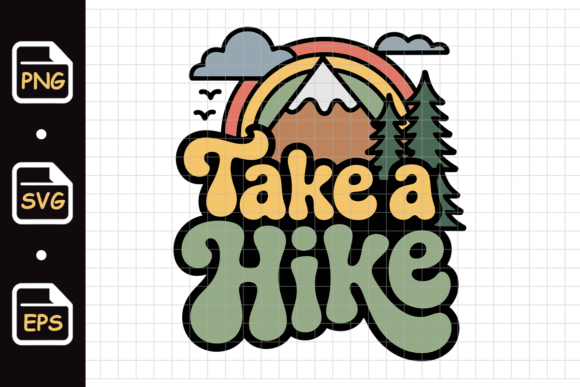
The theme of this design immediately evokes the golden era of travel posters and vintage outdoor motifs. The layout features stylized mountains, trees, and hiking trails in a retro color palette — warm greens, muted blues, and earthy browns. It's not just visually appealing; it tells a story. The lines are clean but detailed enough to give depth without overwhelming the eye.
I found myself imagining how it might look stitched onto a canvas tote bag or a cozy sweatshirt. Its visual personality is friendly and inviting, making it perfect for casual wear or nature-themed gifts. Unlike many graphics that feel overly complex or too minimalist, this one walks the line between detail and simplicity well. It’s clear that the creator considered real-world stitching results, which is a big plus from a practical standpoint.
Theme and Layout Fit
The overall composition feels balanced and directional. The mountain peaks draw the eye upward, while the trails guide it along the base — great for leading attention across a garment or product. This makes it ideal for items like sweatshirt embroidery, where the design can be centered or placed asymmetrically depending on the style. It also works beautifully as an applique design when layered over solid colors or subtle patterns.
Real-Life Application: Sweatshirts, Tote Bags, and More
To test this design, I tried it out on a cotton-polyester sweatshirt and a 100% cotton tote bag. On both, the Retro Take a Hike Mountain and Nature looked fantastic. The stitch density was just right — dense enough to hold its shape but not so tight that it puckered or strained the fabric. The SVG file and EPS file provided crisp outlines, and the transparent PNG file made it easy to create accurate mockups before sending it to the machine.
When applied to a sweatshirt, the design felt cohesive with the rest of the garment. The soft curves of the landscape blended naturally with the fabric’s stretch, and the bold lines stood out without being garish. For tote bags, the larger scale of the graphic allowed for more impact, especially when using contrasting thread colors like deep reds or forest greens against a white or tan background.
I also tested it on a baby onesie for a personalized holiday gift. While the full graphic was too large for that format, trimming it down and using only the mountain silhouette worked beautifully. It added a gentle, whimsical touch that parents loved. That kind of adaptability is rare in many embroidery files, especially those designed primarily for wall art or stickers.
Where to Use With Caution
Despite its strengths, there are situations where you’ll want to proceed carefully. First off, if you’re working with small hoop sizes, you may need to simplify the design or focus on key elements. The full graphic could easily exceed what your hoops can handle, particularly if you're aiming for high stitch count areas near the edges.
- Textured fabrics like flannel or denim can affect the clarity of fine details. I recommend testing on scrap material first.
- Thin or stretchy fabric may struggle with dense fill stitches, especially around the tree trunks or trail lines. A light stabilizer underneath can help maintain structure.
- If you plan to use it on dark fabric, consider whether the thread colors will pop. The design includes subtle shading, which may get lost unless you adjust the colors accordingly.
- On curved surfaces such as caps or curved seams, the alignment of the design becomes critical. You may need to split the design into sections for best results.
- For products that undergo frequent washing, like aprons or tea towels, always check the durability of the fill stitch and ensure proper backing and stabilization.
Commercial Use Considerations
As someone who supplies design assets to Etsy sellers and craft business owners, I’m always cautious about licensing. While the digital embroidery file offers multiple formats, make sure you confirm the terms of use before selling any finished product or offering it as a digital download. Some designers allow commercial use, others do not — this is something to verify before going live with a listing.
Design Impact on Visual Appeal and Branding
What really stands out about Retro Take a Hike Mountain and Nature is how it enhances the visual appeal of any project. Whether you're designing a personalized gift or branding merchandise for a boutique shop, the design brings a sense of adventure and craftsmanship. Its classic aesthetic gives even mass-produced items a handmade product feel, which is invaluable for small shop product lines looking to stand out.
In terms of customer trust and professionalism, using a design like this on branded t-shirts or patches signals quality and intentionality. Clients appreciate when their custom orders look polished and thoughtfully executed. The design also supports brand consistency if you're incorporating it into a series of nature-themed items — it maintains a cohesive look across different applications.
Practical Designer Notes
- Test on scrap fabric before committing to a client order or batch production. Fabric texture and tension can dramatically change the outcome.
- Review the thread color contrast to ensure visibility, especially if using it on dark backgrounds or natural fibers.
- Inspect the hoop size requirements. If they aren’t specified, don’t assume — measure and verify.
- Check the stitch density in all areas, particularly the mountains and foliage. Dense areas may require a lighter hand with the stabilizer.
- Look closely at small details like the trail paths or tree branches. These should remain sharp and legible after stitching.
- Create black and white mockups to see how it would look in monochrome. This helps assess its effectiveness for tonal projects or black garments.
- Compare how it appears on light and dark fabric backgrounds. Sometimes, a design that looks good on a preview image doesn't translate well to darker materials.
- Always use appropriate stabilizer, especially on delicate or stretchy fabrics. Even minor adjustments here can prevent distortion or misalignment.
- Confirm whether the design is suitable for both personal and commercial projects. Licensing restrictions can vary widely between similar-looking files.
Final Thoughts on Project Suitability
The Retro Take a Hike Mountain and Nature design isn’t just another pretty graphic — it's a versatile tool for the modern embroidery designer. From T-Shirts to Graphics for home decor, it adapts well to various scales and placements. Its nostalgic yet timeless look appeals to a broad audience, which is why I’ve seen it work wonders in craft fair products and handmade shop displays.
However, like any design, it requires thoughtful application. Don’t rush into using it on every project — take time to understand how it behaves with different embroidery machines, thread types, and fabric blends. But when used correctly, it adds a layer of warmth and authenticity that customers notice and appreciate.
Overall, I’d say this is a strong addition to your design library if you're targeting outdoor enthusiasts, eco-conscious shoppers, or anyone looking for a touch of vintage charm in their embroidered custom apparel or personalized gifts. Just remember to tailor it to the project and never skip the test run — even the most beautiful machine embroidery design needs to perform in the real world to truly shine.